In 2025, the cost of importing a modern car into the United States jumped sharply. A new tariff stacked an additional duty on top of the long-standing rate, pushing the effective duty on a modern imported passenger vehicle to around 27.5%. But there’s a crucial carve-out that changes the math for anyone importing a classic or JDM car: vehicles 25 years and older are exempt from the additional tariff and still pay only the old 2.5%. For the import-minded, that exemption is one of the strongest arguments for buying old.
 ## What changed in 2025
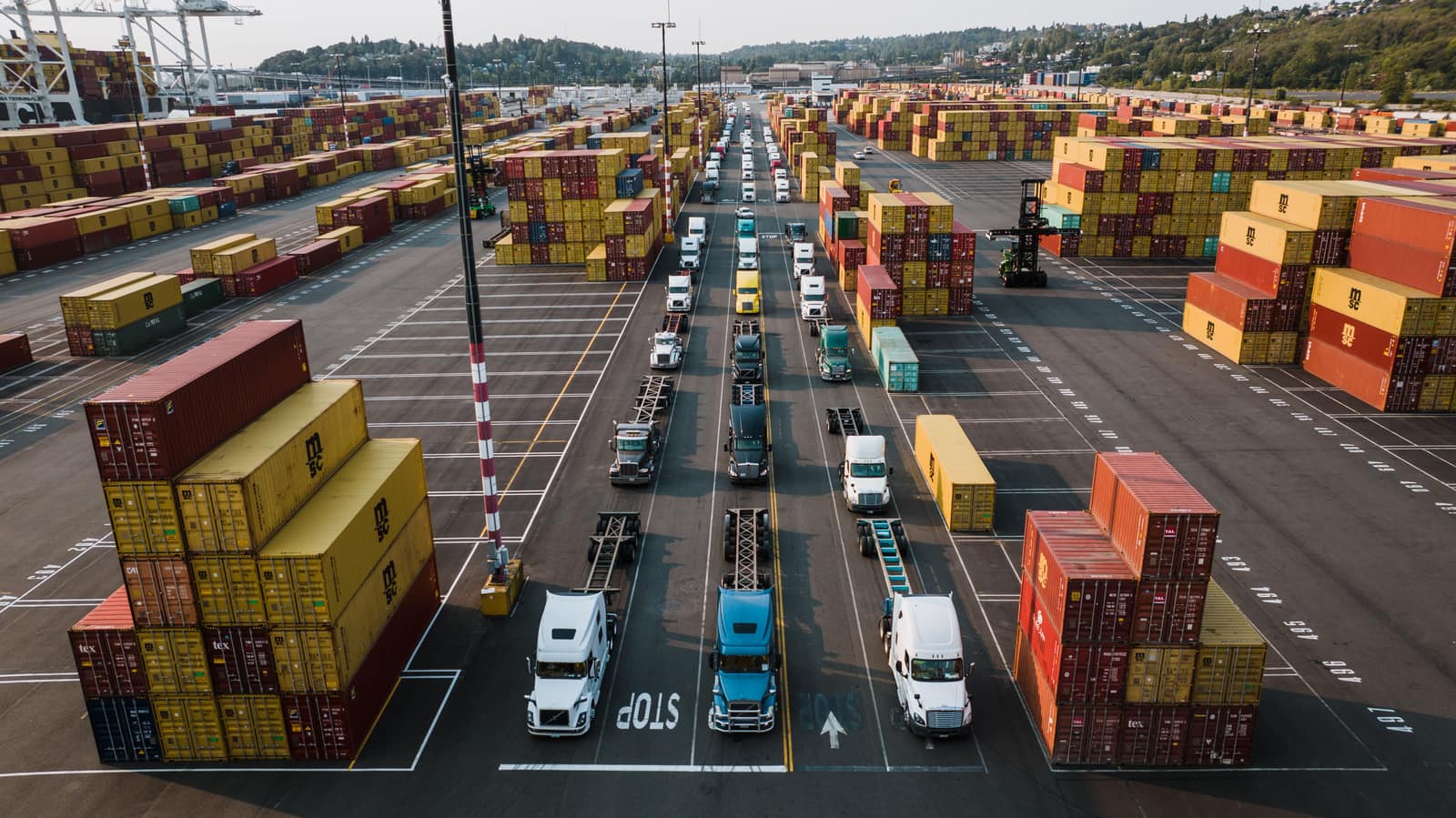
For decades, the standard US import duty on a passenger vehicle was 2.5% of the vehicle’s value. In 2025, a new tariff measure added a 25% additional duty on imported passenger vehicles and light trucks, stacking on top of that existing 2.5%. The result: a modern vehicle imported in 2026 faces a combined effective rate around 27.5% — more than ten times the old duty.
That’s a major change to landed cost. On a $30,000 modern import, the difference between 2.5% and 27.5% is roughly $7,500 in additional duty — enough to change whether a deal makes sense at all.
Here’s the part that matters for classic and JDM importers: vehicles manufactured at least 25 years before entry are exempt from the additional tariff. They continue to pay only the standard 2.5% duty.
This dovetails exactly with the 25-year import rule. The same vehicles that become legally importable at 25 years old — the JDM legends, the European classics, the kei trucks — are also the ones exempt from the steep 2025 tariff. So a car old enough to import under the 25-year rule is automatically old enough to dodge the 27.5% wall. Buying old isn’t just about legality; in 2026 it’s also a duty advantage worth thousands.
What this means for what you import
The tariff change sharpens a decision that was already leaning toward classics:
- Modern imports got materially more expensive. A late-model car brought in for personal use or resale now carries roughly 27.5% duty — a serious hit to landed cost and margin. This particularly affects anyone importing newer vehicles through compliance paths.
- Classic/25-year imports are insulated. The exemption keeps the duty on eligible classics at 2.5%, so the tariff doesn’t touch the core JDM/classic import market.
- The gap is a selling point for old cars. For dealers and arbitrage-minded importers, the 25-point duty difference between a 24-year-old car and a 25-year-old one is now another reason the eligibility date matters — and another reason to confirm the build month precisely.
How it fits into total landed cost
Duty is only one component of landed cost — there’s also freight, insurance, the auction and exporter fees, customs clearance, and any state-side costs. But after the 2025 change, duty is a much bigger swing factor than it used to be for modern vehicles, and a non-factor for classics. The practical move is to run the actual number for your specific vehicle and its age, since a 25-year-exempt car and a modern car now sit in completely different duty brackets.
Run your vehicle and its duty treatment through the Landed Cost Calculator before you bid — the difference between the 2.5% and 27.5% bracket is large enough to change the whole decision.
A note on change
Tariff policy and trade measures change, sometimes quickly. The rates described here reflect the 2025 measure as it stands for 2026, but trade policy is exactly the kind of thing that can shift with administrations and negotiations. Always confirm the current rate — through CBP, a licensed customs broker, or an up-to-date import calculator — before you commit, rather than relying on a figure from an article.
Frequently asked questions
What is the 2025 auto tariff?
A 2025 measure added a 25% additional duty on imported modern passenger vehicles and light trucks, stacking on the existing 2.5% standard duty — bringing the effective rate on a modern import to around 27.5%.
Are classic cars exempt from the 2025 tariff?
Yes. Vehicles manufactured at least 25 years before entry are exempt from the additional tariff and continue to pay only the standard 2.5% duty. This lines up with the 25-year import rule.
How much is import duty on a car in 2026?
Roughly 2.5% for a 25-year-or-older classic, and around 27.5% for a modern passenger vehicle or light truck under the 2025 tariff. Confirm the current rate before importing, as trade policy changes.
Does the tariff make importing classics more attractive?
Comparatively, yes — classics are exempt while modern imports got much more expensive. The 25-point duty gap is now another reason the 25-year eligibility date matters for what you choose to import.
Will the tariff change?
Possibly. Trade and tariff policy can shift with administrations and negotiations. Always confirm the current rate with CBP or a customs broker before committing.
Old cars just got a bigger advantage
The 2025 tariff widened the gap between modern and classic imports: modern vehicles now carry roughly 27.5% duty, while 25-year-old classics stay at 2.5%. For the JDM and classic import world, that’s a tailwind — the cars you can legally import are also the ones the tariff doesn’t touch. Confirm your vehicle’s age and duty bracket, then run the full landed cost, and see how eligibility works in our 25-year import rule guide.
Sources
- Federal Register / The White House — Adjusting Imports of Automobiles and Automobile Parts (2025 tariff proclamation)
- U.S. Customs and Border Protection — duty and entry
- U.S. Harmonized Tariff Schedule — passenger vehicle duty rates
WATTSHIP intelligence is for reference and estimation. Tariff and trade policy change, sometimes quickly; rates here reflect the 2025 measure for 2026. This is not legal or customs advice — confirm current rates with CBP or a licensed customs broker before importing. See our Disclaimer.