There’s no single “best used EV to import” — the right answer depends on your market, your charging setup, and what’s actually available at a price that makes sense once landed. What is universal is the framework for evaluating an import candidate. A used EV adds variables a domestic gas car never had: a battery with a history, a charging standard that may or may not match your region, and parts support that varies wildly by model. This guide gives you the evaluation framework rather than a list that goes stale, so you can judge any candidate that crosses your screen in 2026.
 ## Why "best" is the wrong question
A model that’s a brilliant import to one country is a poor one to another. Charging standards differ by region; parts and service networks exist for some models and not others; eligibility rules turn on age and origin. So instead of chasing a ranked list, evaluate every candidate against the same six factors. The car that scores well across all six — for your situation — is your best used EV to import.
- 1 Battery state of health Verified SOH figure judged against age + climate
- 2 Charging standard compatibility Connector works with your destination infrastructure
- 3 Parts & service support Dealer/independent support + battery service available locally
- 4 Import eligibility 25-year rule (US) or market-specific scheme — confirm first
- 5 Landed cost vs local price All-in cost beats buying the equivalent domestically
- 6 Climate & charging history Mild climate + mostly AC charging = healthier pack
1. Battery state of health
This is the dominant factor. On a used EV the battery is the value, and importing means you often can’t inspect the car in person — so a verified state-of-health (SOH) figure matters even more than in a domestic purchase. Demand a real SOH number, judge it against the car’s age and climate history, and price for the worst-case range. Our guide to checking used-EV battery health covers exactly how, and the SOH Insight tool helps interpret the figure.
2. Charging standard compatibility
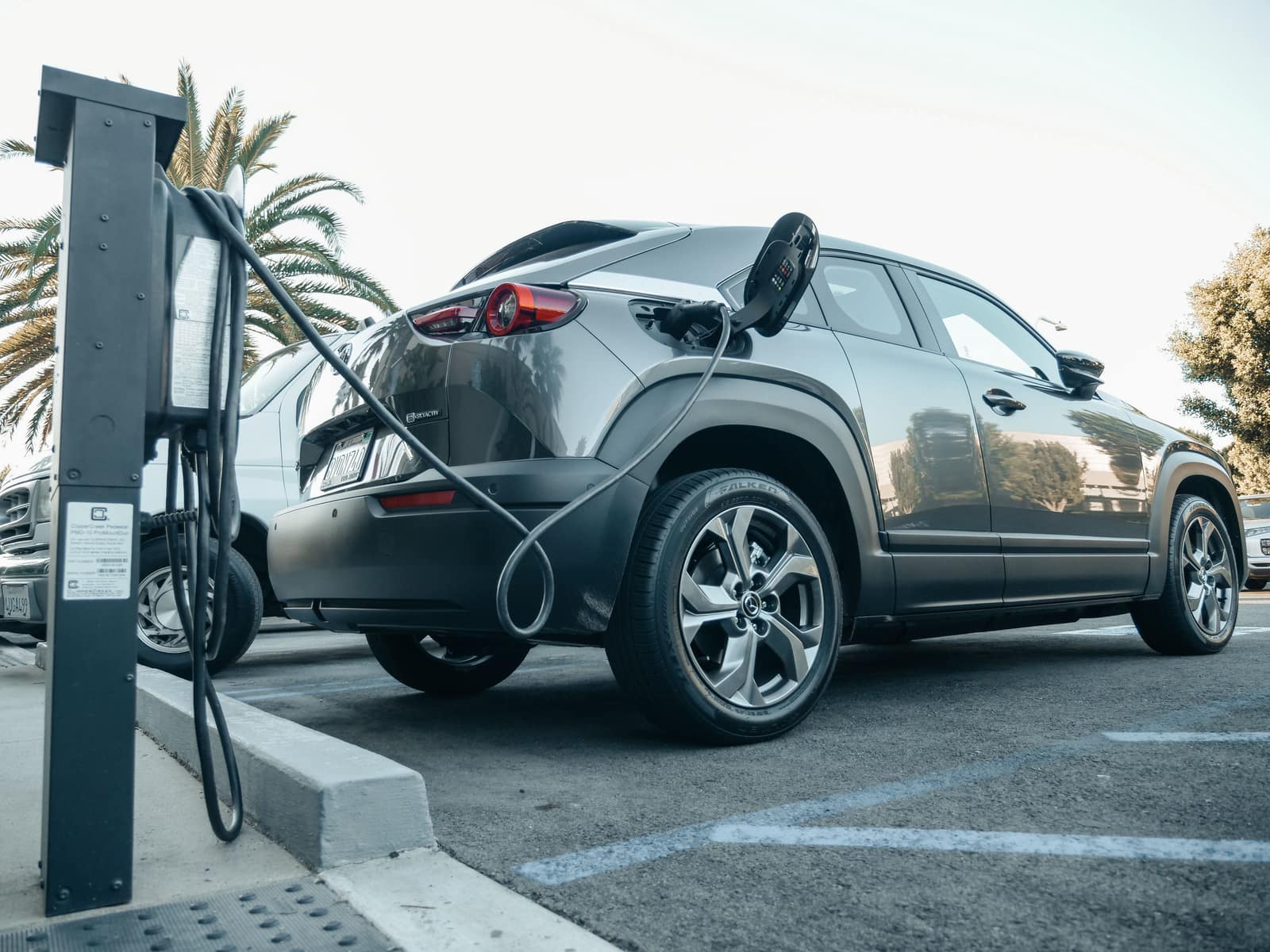
EVs use different charging connectors by region, and a mismatch is expensive or impractical to resolve. Before importing, confirm the vehicle’s charging standard works with your destination’s infrastructure — or that a reliable adapter path exists. With NACS adoption accelerating across markets in 2026, connector strategy is a live consideration, not an afterthought.
3. Parts and service support
A model with no local service network or parts supply can be a nightmare to own, however cheap it was to buy. Before importing, check whether the model has dealer or independent support in your country, and whether common wear parts (and, critically, battery service) are obtainable. Popular global models are safer than market-specific oddities here.
4. Import eligibility
The same eligibility rules that govern any import apply. In the US, the 25-year rule and its month-of-manufacture calculation determine federal eligibility; other markets have their own age and approval schemes. Most modern EVs are too new to be “classic” imports, so eligibility usually hinges on whether the model can be federally compliant or qualifies under a specific scheme. Confirm eligibility before anything else — we cover the US framework in our 25-year import rule guide.
5. Landed cost vs local price
An import only makes sense if the all-in landed cost beats buying the equivalent locally. For EVs, factor the same components as any import — purchase, fees, freight, duty, tax, compliance — and compare honestly against domestic used-EV prices, which have been softening as supply grows. Run the full figure through the Landed Cost Calculator before committing.
6. Climate and charging history
Where the car lived and how it was charged shapes its battery’s real condition. An EV from a mild climate that charged mostly on AC will typically have a healthier pack than one from a hot region that fast-charged daily — even at the same age and SOH reading. Ask about history; it’s part of the value.
Putting the framework to work
Score a candidate across all six. A car with strong SOH, a compatible charging standard, local parts support, clear eligibility, a landed cost below local prices, and a benign climate history is a strong import. A car that fails even one badly — incompatible charging, no parts support, or an unverifiable battery — is usually a pass regardless of how cheap it looks.
The discipline is refusing to let a low price override the framework. The cheapest car to buy is rarely the cheapest to own once you account for charging hassles, parts scarcity, or a tired battery.
Frequently asked questions
What’s the best used EV to import in 2026?
There isn’t a universal answer — it depends on your market’s charging standard, parts support, and what’s available below local prices. Evaluate each candidate against six factors: battery SOH, charging compatibility, parts support, eligibility, landed cost, and climate history.
Can I import any used EV?
No. Import eligibility (age rules like the US 25-year rule, or market-specific schemes) applies to EVs as to any vehicle, and most modern EVs are too new to qualify as classic imports. Confirm eligibility first.
What’s the biggest risk importing a used EV?
The battery you can’t inspect in person. A verified state-of-health figure is essential — without it, you’re guessing on the most valuable and most uncertain component.
Do charging standards matter when importing an EV?
Yes, significantly. A connector mismatch with your destination’s infrastructure is costly or impractical. Confirm compatibility or a reliable adapter path before importing.
How do I know if importing an EV is worth it?
Compare the full landed cost against the local price of the equivalent used EV. If landed cost doesn’t beat the domestic price after all fees and duty, importing isn’t worth the added complexity.
Evaluate, don’t chase
The best used EV to import is the one that clears all six factors for your specific situation — not the cheapest listing or the most hyped model. Verify the battery with the SOH Insight tool, confirm the math with the Landed Cost Calculator, and start from the full process in our complete guide to importing a car from Japan.
Sources
- Geotab — 2026 EV battery health study
- Energy Solutions — used-EV battery health and resale analysis 2025–2026
- U.S. Customs and Border Protection — importing a motor vehicle
WATTSHIP intelligence is for reference and estimation. Model availability, eligibility, and charging standards vary by market and change; confirm specifics before purchasing. See our Disclaimer.