Here’s the trap that catches importers after they’ve already spent the money: a car can clear US customs perfectly — pass the 25-year rule, satisfy EPA and NHTSA, get released by CBP — and then your state’s DMV refuses to register it. Federal eligibility gets the car into the country. Your state decides whether you can actually put plates on it and drive. These are two separate gates, and the second one is where people get stranded with a legal import they can’t legally drive.
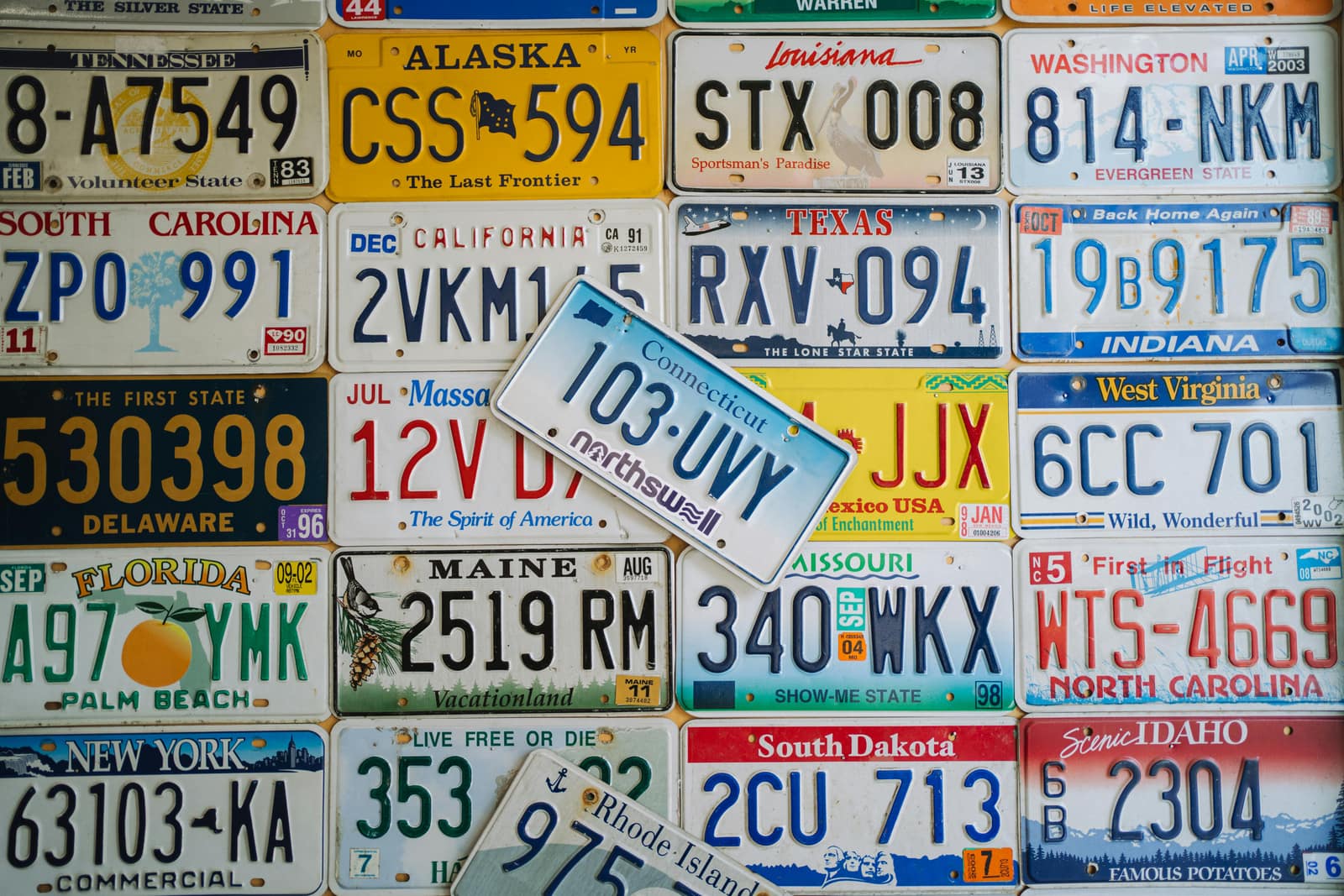 This guide shows you how to check your state's rules *before* you buy, so the car you import is one you can actually register.
The two-gate system
Every imported vehicle has to clear two independent checkpoints:
- 25-year FMVSS exemption (NHTSA)
- EPA emissions threshold (21-yr)
- CBP entry — HS-7, EPA 3520-1
- Title from foreign documents
- Emissions / smog program
- Vehicle-class rules (kei, RHD)
- Safety inspection (some states)
Gate 2 — State. Will your state title and register it for road use? This is set by your state’s DMV or motor vehicle authority, and it varies enormously. Clearing Gate 1 tells you nothing about Gate 2.
The mistake is assuming Gate 1 implies Gate 2. It doesn’t. A federally-legal imported car can still be unregistrable in a particular state because of emissions, title, or vehicle-class rules.
What states actually check
State requirements cluster around a few areas. Before you buy, find out where your state stands on each:
- Title and ownership — states need a clean chain of title. An imported car arrives with foreign documentation (the export certificate, the bill of lading); your state has to be willing to issue a title from those documents. Most do, but the process varies and some states are slower or stricter with imported-vehicle titles.
- Emissions / smog — this is the most common blocker. States with strict emissions programs (California is the well-known example, but others have programs too) may require an imported car to meet emissions standards or pass a test that a foreign-spec vehicle wasn’t built for — even when it cleared the federal EPA exemption. A federally-exempt 25-year car can still fail a state smog requirement.
- Vehicle class rules — some classes face state-specific rules. Kei trucks and kei cars are the clearest example: federally importable at 25 years, but registration is decided state by state, with some allowing road use, some restricting to off-road/farm, and some disallowing it. (See our kei truck state guide.)
- Right-hand drive (RHD) — most imported JDM cars are RHD. The majority of states register RHD vehicles without issue, but a few have added requirements or restrictions, and RHD can affect insurance. Worth confirming.
- Safety inspection — some states require a safety inspection before first registration, which an imported car has to pass like any other.
How to actually check — before you buy
The order matters: do this before you commit to a vehicle, not after it’s on a ship.
- Contact your state’s DMV / motor vehicle authority directly. Ask specifically about registering an imported, federally-exempt vehicle — and if it’s RHD or a kei, name that. General “how do I register a car” info won’t surface the import-specific catches.
- Ask about emissions explicitly. This is the most common blocker. Confirm whether a 25-year federally-exempt import is also exempt from your state’s emissions program, or whether it must test.
- Check your vehicle class. If it’s a kei, an RHD, or anything unusual, confirm that class is registrable in your state for road use.
- Get it in writing if you can. Rules change and front-desk answers vary; a written confirmation or the relevant statute citation protects you.
- Look for the most recent ruling. State rules — especially on kei vehicles — shift year to year. An old forum post isn’t current law.
What to do if your state is difficult
If your state blocks or heavily restricts the vehicle you want, options include: choosing a different vehicle that your state registers cleanly, registering in a different state if you have a legitimate residence/address there (do this properly — registration fraud is a serious matter, not a loophole), or, for restricted classes like kei, accepting off-road-only use if that suits your purpose. What you should not do is import first and hope — that’s how cars end up stranded.
Frequently asked questions
If a car passes the 25-year rule, can I register it anywhere?
No. The 25-year rule is a federal import exemption — it gets the car into the country. Registration is decided by your state, which has its own title, emissions, and vehicle-class rules. Clearing federal customs doesn’t ensure state registration.
What’s the most common reason a state won’t register an imported car?
Emissions. States with strict smog programs may require an imported car to meet or test against emissions standards even when it’s federally exempt. Check your state’s emissions rules for imported vehicles before buying.
Can I register a right-hand-drive imported car?
In most states, yes. The majority register RHD vehicles without issue, though a few have added requirements and RHD can affect insurance. Confirm with your state’s DMV.
How do I check my state’s rules?
Contact your state’s DMV or motor vehicle authority directly and ask specifically about registering an imported, federally-exempt vehicle — naming RHD or kei status if relevant. Get the answer in writing where possible, and check for the most recent ruling.
Can I register the car in a different state to avoid my state’s rules?
Only if you have a legitimate residence or address there. Registering a vehicle in a state where you don’t properly reside is registration fraud, not a loophole. Do it properly or choose a vehicle your own state registers.
Check the second gate before you buy
The buyers who get burned aren’t the ones who fail the 25-year rule — that part is well known. They’re the ones who clear federal customs and then discover their state won’t register the car. Check Gate 2 before you spend anything: call your DMV, ask about emissions and your vehicle class specifically, and get it in writing. Then run your landed cost knowing the car is one you can actually drive. For the federal side, start with the 25-year import rule explained.
Sources
- U.S. Customs and Border Protection — Importing a Motor Vehicle
- NHTSA — Importing a Vehicle
- EPA — Importing Vehicles and Engines
- State DMV emissions and registration programs (varies by state — consult your state authority)
WATTSHIP intelligence is for reference and estimation. State registration rules vary widely and change; this is not legal advice. Always confirm current requirements with your state’s motor vehicle authority before purchasing. See our Disclaimer.