The single most common mistake new importers make is budgeting for the auction price and the shipping — and then getting blindsided by everything else. The truth is that the hammer price is often only two-thirds of what the car costs to land in your driveway. Importing a car from Japan involves a stack of separate costs: the purchase, the Japan-side fees, ocean freight, US duty, customs charges, and your state’s costs. This guide breaks down every component for 2026, with a worked example, so you can budget the real number before you bid.
 ## The cost components, one by one
Here’s everything that goes into a landed cost. Miss any of these and your budget is wrong.
1. The vehicle purchase price. The hammer price at auction (or the dealer/exporter price). Varies enormously — a clean Grade 4 workhorse might be $10,000–15,000; a desirable JDM legend, far more.
2. Japan-side fees. The export agent’s fee (covering the auction purchase, de-registration, and export paperwork), plus inland transport to the port. The agent fee is how you get auction access — budget for it.
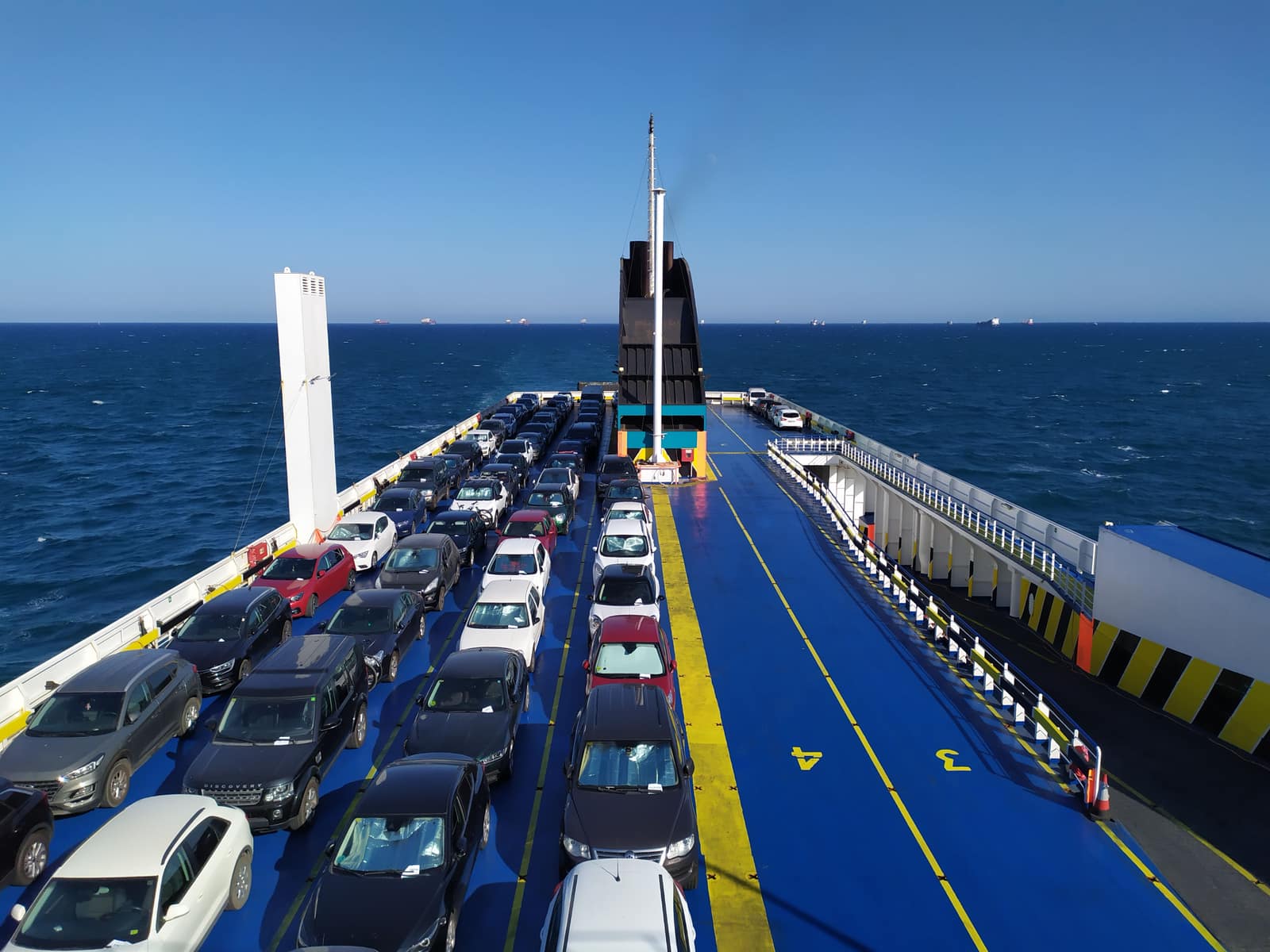
3. Ocean freight. Shipping from Japan to a US port. Depending on method and coast, the shipping itself typically runs roughly $1,200–$4,200, with container shipping costing more than RoRo (roll-on/roll-off) but protecting the car better. A common figure for Yokohama to a US port is around $3,000 for container.
4. Shipping insurance (optional but wise on a valuable car). Usually covers total loss; read the policy.
5. US import duty. For a 25-year-eligible classic, just 2.5% of the declared value — and critically, exempt from the steep Section 232 tariff when declared under the correct exemption code (HTSUS 9903.94.04). For a vehicle under 25 years, the effective rate is far higher (around 15% or more once the additional tariffs apply). This is a major reason 25-year classics are the sweet spot. (See the 2025 tariff guide.)
6. Federal fees. The Harbor Maintenance Fee (about 0.125%) and Merchandise Processing Fee (about 0.3464%) — small percentages, but real.
7. Customs broker. Roughly $300 to handle the entry paperwork and clearance — strongly recommended for a smooth release.
8. US-side port + inland. Port clearance (around $500), then transport from the port to you.
9. State costs. Registration, title, and any state taxes or emissions/inspection costs — these vary widely by state and are easy to forget. (See checking if a car is legal in your state.)
- Vehicle purchase~$20,000
- Ocean freight~$3,050
- Duty (2.5% classic)~$500
- Federal fees (HMF+MPF)~$200
- Customs broker~$300
- Port + inland US~$1,700
- State reg + title~$2,108
All-in: ~$27,858 landed
To make it concrete, consider a real-world all-in figure: a 1998 Nissan Skyline GT-R (25-year exempt) lands at roughly $27,858 all-in — combining the purchase price, around $3,050 ocean freight, the 2.5% duty, typical federal and broker fees, and domestic delivery. The car’s price dominates the total, but the other components add several thousand dollars on top — which is exactly the part people forget.
The lesson: whatever the car costs, budget meaningfully above it. The freight, duty, fees, and US-side costs commonly add $4,000–$8,000+ depending on the car’s value and your state.
The 25-year vs modern divide
The biggest single swing factor in 2026 is age. A 25-year-eligible classic pays 2.5% duty and is exempt from the additional tariffs — so the duty on a $20,000 classic is around $500. A modern (under-25) vehicle can face an effective rate around 15% or more — duty alone of $3,000+ on the same value, plus potential expensive compliance/RI modification if it wasn’t US-spec. This is why, cost-wise, the 25-year classics are overwhelmingly the smart import. (See the 25-year rule explained.)
How to budget accurately — before you bid
Because the components stack and vary by car, coast, method, and state, the only way to budget accurately is to run your specific car’s numbers, not a generic estimate. The discipline that separates experienced importers from burned ones is simple: calculate the full landed cost before setting a maximum bid, so the hammer price you commit to leaves room for everything else.
Run your vehicle, value, shipping method, and destination through the Landed Cost Calculator — it pulls freight, duty, fees, and the rest into one total so you’re bidding with the real number, not a guess.
A note on changing rates
Tariff and trade policy shifted notably in 2025–2026 and can change again. The 2.5% classic rate and the higher modern-vehicle rates described here reflect 2026, but always confirm current duty treatment with a licensed customs broker or an up-to-date calculator before committing — don’t budget off an old article.
Frequently asked questions
How much does it cost to import a car from Japan to the US?
Beyond the purchase price, expect the shipping/import components to add roughly $4,000–$8,000+: ocean freight (~$1,200–$4,200), 2.5% duty for a 25-year classic, federal fees (HMF 0.125%, MPF $500), inland transport, and state registration costs. A worked example: a 1998 Skyline GT-R lands around $27,858 all-in.0.3464%), a customs broker ($300), port clearance (
How much is import duty on a Japanese car?
For a 25-year-eligible classic, 2.5% of the declared value, exempt from the additional Section 232 tariff under the correct code. For a vehicle under 25 years, the effective rate is far higher — around 15% or more once additional tariffs apply.
What’s the cheapest way to ship a car from Japan?
RoRo (roll-on/roll-off) is generally cheaper than container shipping, but container offers more protection for valuable cars. Shipping costs typically range from about $1,200 to $4,200 depending on method, coast, and vehicle. (See container vs RoRo.)
Why is the total so much more than the auction price?
Because freight, duty, federal fees, customs broker, port clearance, inland transport, and state registration all stack on top — commonly adding $4,000–$8,000+. The hammer price is often only about two-thirds of the landed cost.
How do I budget accurately before buying?
Run your specific car, value, shipping method, and destination through a landed-cost calculator before setting a maximum bid, so your bid leaves room for every other cost. Confirm current duty rates, as tariff policy changes.
Know the real number before you bid
Importing from Japan is absolutely worth it for the right car — but only if you budget the full landed cost, not just the auction price and shipping. Stack every component, lean toward 25-year classics for the duty advantage, and never set a bid without running the complete number. Start with the Landed Cost Calculator, confirm eligibility in the 25-year rule guide, and see the full import process.
Sources
- West Coast Shipping — 2026 Japan import costs & strategies (worked examples, duty scenarios, HTSUS 9903.94.04 exemption)
- JP Sheet — Japan car import to US 2026 guide (duty, HMF, MPF, fees)
- JDMBUYSELL — JDM car import cost calculator ($1,200–$4,200 shipping range)
- Japanese Car Trade — 2026 cost breakdown (shipping, port clearance, broker fees)
WATTSHIP intelligence is for reference and estimation, not a quote or customs advice. Tariff and trade policy change; confirm current rates with a licensed customs broker before importing. See our Disclaimer.